How NASA Uses AI to Discover New Worlds Beyond Our Solar System
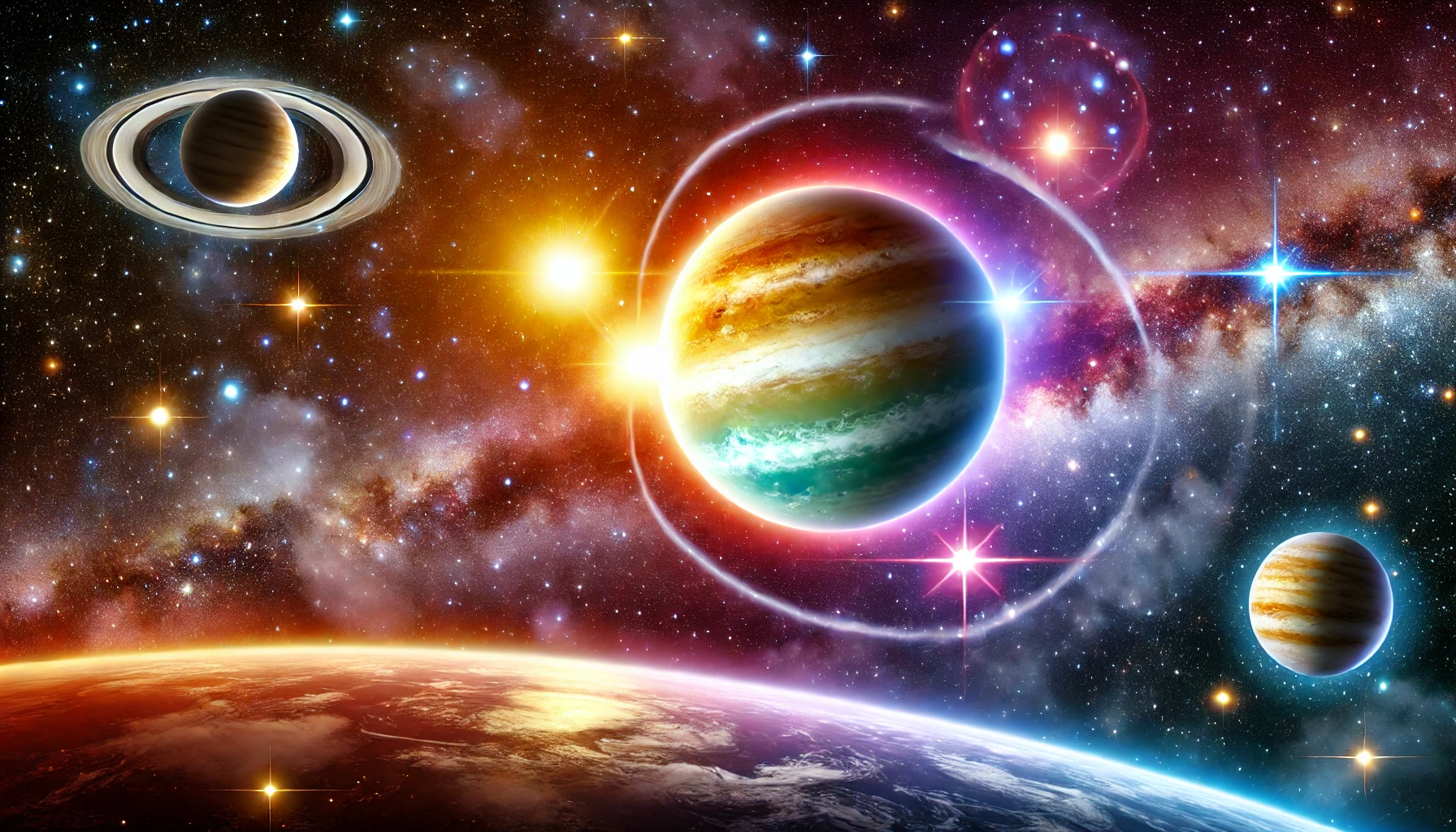
When most people think about artificial intelligence, they picture chatbots, image generators, or maybe self-driving cars. But behind the scenes, AI has become one of NASA’s most powerful tools in one of humanity’s greatest quests — finding planets beyond our solar system, known as exoplanets.
The Challenge of Spotting Exoplanets
Our galaxy alone is home to hundreds of billions of stars. Many of them may have planets orbiting them — but spotting those distant worlds is like trying to see a moth flying across a floodlight from thousands of miles away.
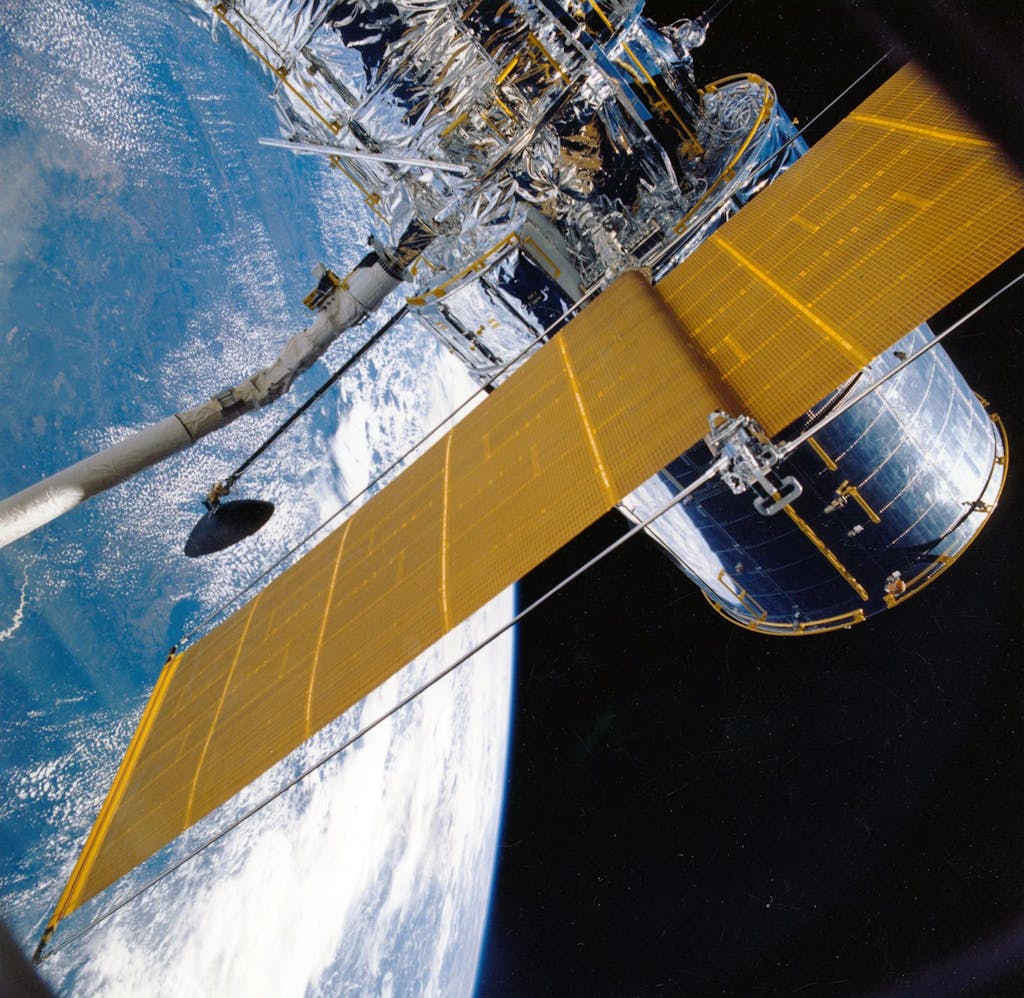
Telescopes such as Kepler and TESS (Transiting Exoplanet Survey Satellite) gather immense amounts of light data from thousands of stars every day. When a planet crosses in front of its star, it creates a minuscule dip in brightness. This technique — the transit method — has become the main way we detect exoplanets.
The problem? Each star can produce tens of thousands of potential signals, most of which are false alarms caused by cosmic noise, starspots, or instrumental quirks. Traditionally, astronomers had to manually analyze these light curves — a process that could take years.
Where AI Steps In
AI and machine learning have changed that game completely. NASA now uses AI to analyze telescope data at scale, identifying the faint, repetitive patterns that might indicate an orbiting planet.
Machine learning models can:
- Detect periodic dips in brightness too subtle for the human eye.
- Eliminate false positives caused by dust, binary stars, or electronic noise.
- Prioritize which potential planets scientists should review first.
In 2018, researchers from Google AI and NASA’s Ames Research Center used a neural network to reanalyze old Kepler data — and found two new planets (Kepler-90i and Kepler-80g) that humans had missed.
Since then, AI tools have become standard in NASA’s data pipeline. TESS, for example, now uses AI-driven classifiers that can process over 10,000 light curves per hour, learning from past discoveries to spot new ones faster.
Smarter Science, Faster Discoveries
AI isn’t just speeding things up — it’s making exoplanet science smarter. These systems learn from previous confirmations, adapting as they encounter new data patterns. That means every new discovery helps the AI get better at spotting the next one.
Thanks to this collaboration between scientists and algorithms, NASA and partner observatories have now confirmed more than 5,000 exoplanets, with thousands more under review. Some of these are rocky Earth-like worlds orbiting in the “habitable zone,” where liquid water — and possibly life — could exist.
Beyond Planet Hunting: AI’s Expanding Role in Space
AI’s impact doesn’t stop with exoplanets. NASA is using it across multiple missions:
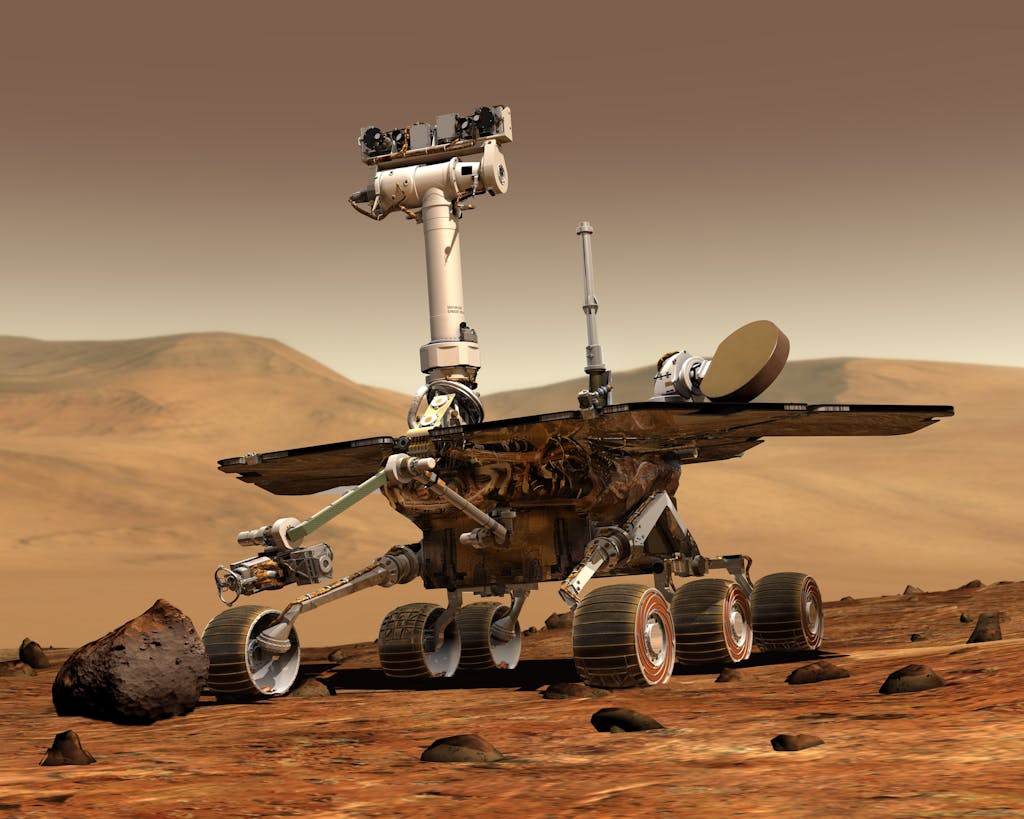
- Mars Rovers: AI helps Perseverance and Curiosity navigate terrain and select rock samples autonomously.
- James Webb Space Telescope: AI assists in managing huge image datasets, improving contrast and reducing noise.
- Europa Clipper: Machine learning will help process radar signals when the spacecraft studies Jupiter’s icy moon in the 2030s.
AI is becoming an invisible assistant across the solar system — analyzing images, predicting system health, and even scheduling communications between spacecraft.
Why It Matters
The search for exoplanets isn’t just about numbers — it’s about understanding our place in the universe. Each discovery teaches us more about how solar systems form, evolve, and sometimes harbor the right conditions for life.
By applying AI, we’re not replacing astronomers — we’re expanding what they can do. What once took decades of manual observation can now happen in months, giving us a clearer picture of our cosmic neighborhood faster than ever before.
Bringing Space Closer to Home
AI in space exploration reminds us that the same algorithms powering your phone’s camera or voice assistant are helping humanity reach further than ever before. From predicting solar flares to spotting distant worlds, artificial intelligence is helping us answer one of our oldest questions:
Are we alone?