The Fascinating World of Artificial Intelligence: Fun Facts, Insights, and More
What is AI?
Artificial Intelligence (AI) refers to the simulation of human intelligence in machines, allowing them to perform tasks that typically require human cognitive functions. This includes activities such as learning, reasoning, problem-solving, perception, and language understanding. At its core, AI aims to enable machines to mimic human capabilities, thereby enhancing their utility across various applications.
One of the key subfields of AI is machine learning, which allows AI systems to learn from data inputs without explicit programming. Through algorithms, these systems identify patterns and improve their performance over time as they process more data. Machine learning is integral in many modern applications, where the ability to analyze large datasets rapidly can lead to insightful predictions and decisions.
Another vital component is natural language processing (NLP), which equips machines with the ability to understand and interpret human language. This technology underpins many conversational agents and virtual assistants today, enabling users to interact naturally with machines. By analyzing speech and text, NLP facilitates tasks such as language translation, sentiment analysis, and even chatbots that assist in customer service.

Computer vision is yet another significant branch of artificial intelligence that involves the interpretation of visual information. This field empowers machines to identify and process images or video feeds, enabling applications in autonomous vehicles, facial recognition systems, and medical image diagnostics. The advancements in computer vision have transformed how machines understand their surroundings, leading to innovative uses across industries.
The evolution of AI has been marked by significant milestones, moving from theoretical concepts established in the mid-20th century to practical implementations seen today. Technologies like recommendation systems, as employed by platforms such as Netflix and Amazon, exemplify the sophistication AI has achieved, utilizing vast amounts of data to tailor user experiences. This journey reflects continuous innovation, promising further advancements in the fascinating realm of artificial intelligence.
Fun Facts About AI
Artificial Intelligence (AI) is a remarkable field that continues to amaze us with its capabilities. Here are some intriguing facts that showcase the unexpected powers of AI.
Firstly, did you know that AI can compose music? Using deep learning algorithms, AI has been trained to analyze existing musical compositions and create original pieces. This achievement blurs the lines between human creativity and machine learning, demonstrating the profound artistic potential of AI.
Another astonishing fact is that AI has triumphed over human champions in the game of Go, a complex board game that has long been considered a challenge for machines. Google’s AlphaGo defeated one of the world’s best players in 2016, showcasing AI’s ability to strategize and learn from extensive data—a leap that stunned the gaming community and experts alike.
Moreover, AI is playing a role in decoding animal communication. Researchers are utilizing AI technologies to analyze vocal patterns and behaviors in various species, working towards understanding how animals communicate with one another. This groundbreaking work poses significant implications for both animal welfare and conservation efforts.
Additionally, AI is revolutionizing the film industry by helping to de-age actors in movies. Through the use of advanced algorithms and CGI technology, studios can digitally manipulate actors’ appearances to make them look younger, enhancing storytelling and providing a more immersive viewing experience.
Finally, unlike typical software, AI systems can learn and adapt over time. Machine learning, a subset of AI, allows these systems to improve their performance by analyzing data patterns, leading to more accurate results and, ultimately, smarter applications that continue to evolve. These capabilities present a fascinating glimpse into the future of technology.
AI in Action
Artificial Intelligence (AI) is making significant strides across various sectors, demonstrating its transformative power and efficacy in improving processes and outcomes. Below are some key examples of AI applications that showcase its far-reaching impact in today’s world.
Healthcare: AI-driven diagnostic tools have proven invaluable in analyzing medical data. Machine learning algorithms can swiftly detect anomalies in imaging scans, leading to faster and more accurate diagnoses. This can ultimately enhance patient outcomes and allow healthcare professionals to focus their efforts on treatment.
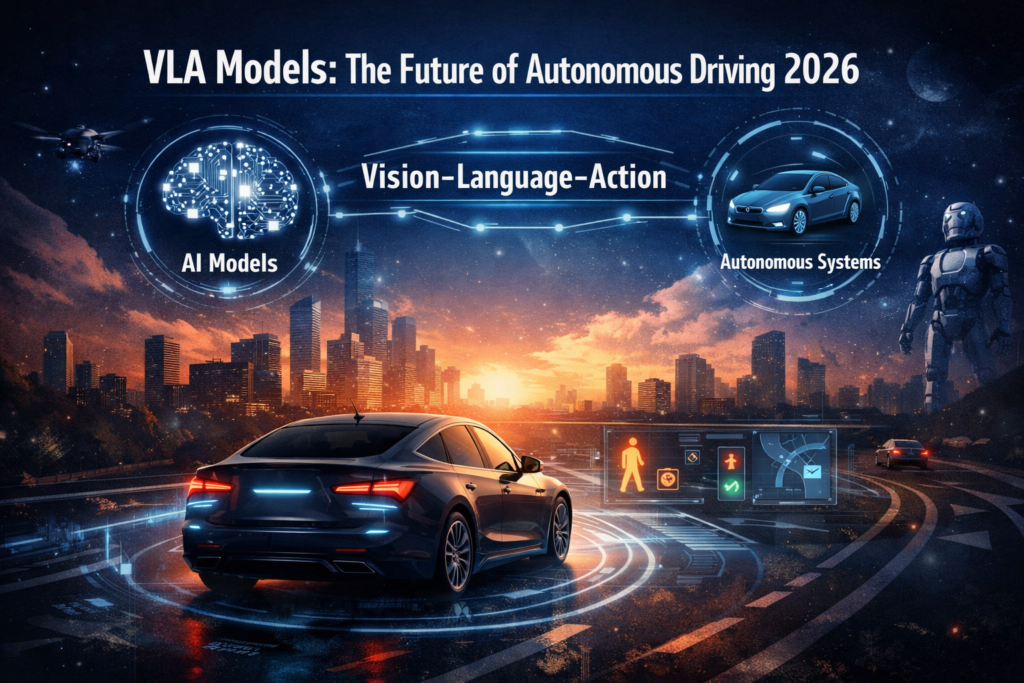
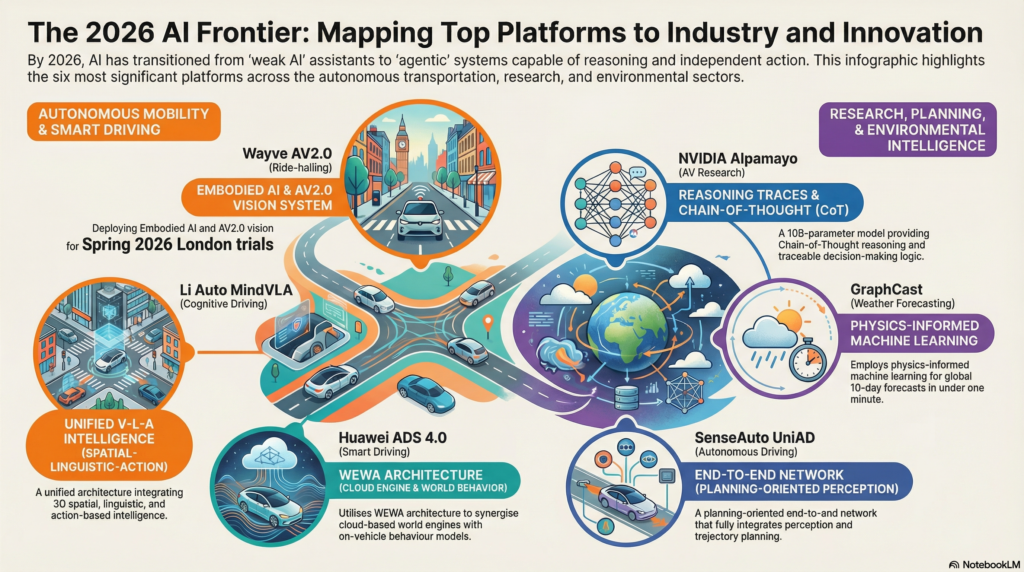
Transportation: The development of autonomous vehicles represents one of AI’s most ambitious applications. Through sophisticated algorithms and real-time data analysis, these vehicles can navigate complex environments, significantly reducing the risk of accidents caused by human error. This innovation not only promises to enhance road safety but also aims to optimize traffic flow and reduce congestion.
Education: AI is facilitating personalized learning systems that cater to individual students’ needs. By analyzing performance data, AI can tailor educational content and pacing to help learners master concepts at their own speed. This adaptive approach can enhance engagement and retention, ultimately fostering a more effective learning environment.
Entertainment: In the realm of entertainment, AI plays a pivotal role in content recommendations. Streaming platforms utilize sophisticated algorithms to analyze user preferences and viewing habits, enabling them to suggest movies, music, or shows that align with individual tastes. This personalization enhances user experience, making content consumption more enjoyable and relevant.
Environment: AI technologies are being employed to optimize resource management, particularly in energy consumption and conservation efforts. Smart grids, powered by AI, can predict energy demand and adjust supplies accordingly, leading to more efficient resource allocation and reduced waste.
These examples illustrate the myriad ways AI is enhancing efficiency and addressing critical challenges across various fields, making it a pivotal component of modern life.
The Future of AI
The potential future of artificial intelligence (AI) is a subject of considerable interest and debate within various sectors. As advancements continue to evolve, AI is poised to revolutionize fields such as space exploration and personalized medicine. The promise of AI lies in its ability to analyze vast amounts of data, leading to innovative solutions that were previously unattainable. For instance, in space exploration, AI-driven technologies may assist in navigating uncharted territories, analyzing planetary formations, and even identifying potential life-supporting environments on distant planets.
In personalized medicine, AI has the ability to tailor treatment plans based on individual genetic makeup and real-time health data, allowing for more effective interventions and improved patient outcomes. These developments illustrate the transformative power of AI across diverse disciplines, offering promising avenues for progress and exploration.
However, the rapid advancement of AI brings with it significant challenges that must be addressed to harness its full potential responsibly. Concerns regarding ethical implications are paramount. Issues such as bias within AI algorithms can lead to flawed decision-making, inadvertently reinforcing societal inequalities. It is crucial for developers to implement checks and balances to ensure that AI systems maintain fairness and transparency.
Moreover, the automation capabilities of AI pose a challenge to job markets, potentially displacing occupations and necessitating a reevaluation of workforce skills. As automation becomes more prevalent, discussions on how to reskill and upskill employees will be essential to mitigate the adverse effects on employment.
It is imperative that the development of AI technology incorporates responsible practices, focusing on ethical considerations and proactive strategies to maximize societal benefits while minimizing drawbacks. By fostering a collaborative environment among technologists, ethicists, and policymakers, the future of AI can be navigated thoughtfully, ensuring it serves the greater good of society.
Further Reading
For those intrigued by the transformative world of artificial intelligence and eager to deepen their knowledge, a variety of reputable resources are available for further exploration. These resources encompass current news, research developments, ethical considerations, innovative advancements, and specialized topics within the field of AI.
One valuable location to begin is the MIT Technology Review. This site offers readers access to the latest developments and trends related to AI. Known for its insightful articles, it provides a comprehensive look at how AI is influencing various industries and societal aspects.
Another essential resource is the Stanford AI Lab. This institution is renowned for its cutting-edge research in artificial intelligence. It offers various publications, educational materials, and project insights which can significantly benefit those wishing to understand the theoretical underpinnings and technical innovations in AI.
To navigate the ethical implications of artificial intelligence, readers are encouraged to visit the IEEE AI Ethics page. This platform addresses pressing questions surrounding the moral frameworks that should govern AI technologies, helping readers comprehend the importance of ethics in the advancement of AI.
For insights on the latest innovations, the Google AI Blog is an excellent resource. It features updates directly from Google’s AI research team, offering a glimpse into the innovative technologies being developed and their applications in real-world scenarios.
Lastly, to understand the concept of explainable AI, visiting XAI’s Mission provides resources focused on AI interpretation and transparency, emphasizing the importance of understanding AI decision-making processes. By exploring these links, readers will continue their journey into the captivating realm of artificial intelligence.